Toronto's Evolving Weather — Tech's 2026 Forecast
- As July 03, 2026 dawns over Toronto, a familiar humid embrace settles over the city.
- Smart Stormwater Management: One of the most critical areas is flood mitigation.
- AI-Powered Early Warning Systems: For critical infrastructure, AI-powered predictive maintenance is becoming standard.
📄 Table of Contents
- The New Normal: Toronto’s Changing Climate and the Data Behind It
- AI and Hyper-Local Forecasting: Predicting Toronto Weather, Block by Block
- Smart Infrastructure: Toronto’s Tech Response to Extreme Weather
- Personalizing the Forecast: Wearables, Smart Homes, and Citizen Science
- Beyond Prediction: Tech for Climate Adaptation in Toronto
- Summary
- Sources
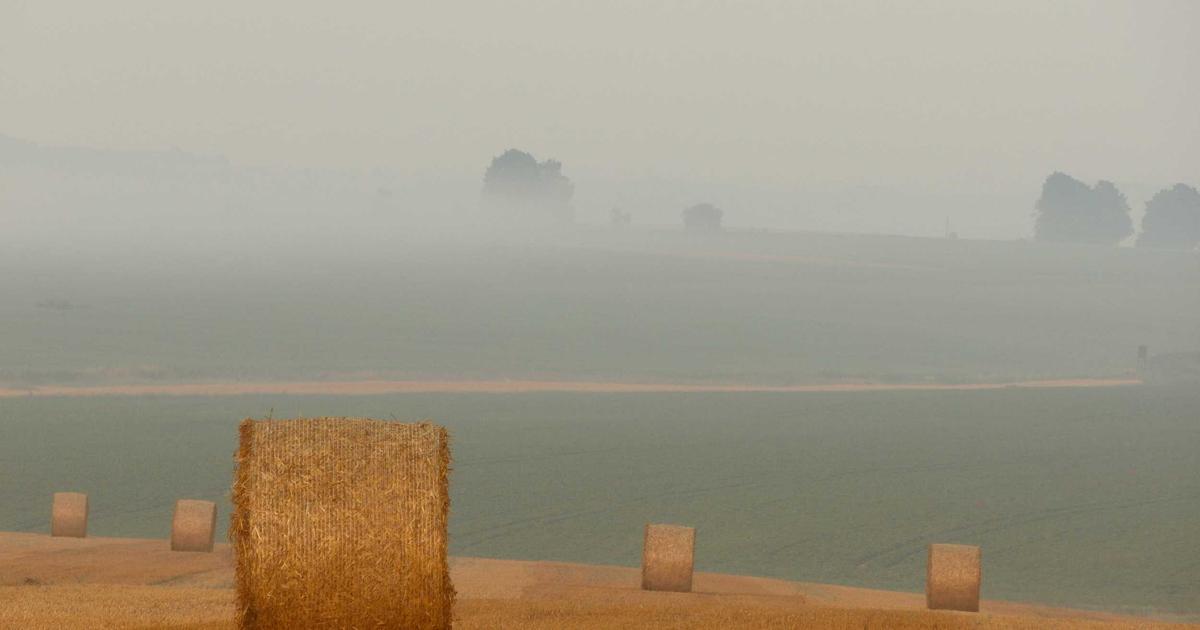
As July 03, 2026 dawns over Toronto, a familiar humid embrace settles over the city. Environment Canada’s current forecast predicts a high of 29°C with a humidex pushing it to feel like 35°C later today, accompanied by a 40% chance of afternoon thunderstorms. While this might seem like a typical summer day in Canada’s largest metropolis, the underlying patterns of Toronto weather are anything but static. What’s truly evolving, however, is our capacity to understand, predict, and adapt to these changes, thanks to a rapid acceleration in climate technology and AI-driven insights.
For years, Toronto has grappled with increasingly unpredictable weather. From record-breaking heatwaves to sudden, intense downpours that overwhelm its aging infrastructure, the city is a microcosm of global climate shifts. But the narrative isn’t just one of vulnerability; it’s also one of innovation. TrendBlix Tech Desk explores how cutting-edge technology is transforming Toronto’s relationship with its climate, offering a glimpse into a smarter, more resilient future.
The New Normal: Toronto’s Changing Climate and the Data Behind It
Toronto’s climate story is one of extremes becoming more frequent. Data from Environment and Climate Change Canada (ECCC) indicates a clear warming trend. According to their 2025 “Canadian Climate Trends and Projections” report, the Greater Toronto Area (GTA) has seen an average annual temperature increase of 1.8°C since 1950, significantly higher than the global average. This isn’t just about warmer days; it’s about a fundamental shift in seasonal patterns and the intensity of weather events.
Consider the summers. The number of “extreme heat days” (above 30°C) in Toronto has nearly doubled in the past two decades, per ECCC data, moving from an average of 10 days in the 1990s to over 18 days annually by 2020-2025. This isn’t just uncomfortable; it puts immense strain on the city’s power grid, public health services, and vulnerable populations. Conversely, winter precipitation is increasingly falling as rain rather than snow, leading to more frequent freeze-thaw cycles that damage roads and infrastructure. Intense rainfall events, like the flash floods seen in 2013 and 2018, are also projected to increase in frequency and severity, challenging the city’s stormwater management systems.
These shifts aren’t going unnoticed. The City of Toronto, in collaboration with local universities, has been investing heavily in data collection. A recent study by the University of Toronto’s School of the Environment, published in late 2025, highlighted the pronounced “urban heat island” effect across the city, finding that downtown core temperatures can be up to 7°C warmer than surrounding rural areas on hot summer nights. This isn’t just about meteorology; it’s about public health, energy consumption, and urban planning – areas where technology is now playing a pivotal role.
AI and Hyper-Local Forecasting: Predicting Toronto Weather, Block by Block
Gone are the days when a regional forecast was sufficient. Toronto’s diverse urban landscape, with its towering skyscrapers, expansive green spaces, and proximity to Lake Ontario, creates highly localized microclimates. This is where advanced AI and predictive analytics are truly shining in 2026.
Leading the charge are systems like Google DeepMind’s GraphCast, which, since its public release, has been refined for regional applications. In Toronto, a consortium of academic institutions and private weather tech firms, supported by federal grants, has been deploying a dense network of IoT sensors across the city. These aren’t just your standard weather stations; they include sophisticated LiDAR systems, hyper-spectral cameras, and atmospheric pressure sensors mounted on public transit, municipal buildings, and even smart streetlights.
“The granularity of data we’re now collecting is unprecedented,” explains Dr. Anya Sharma, lead climatologist at the University of Toronto’s Department of Earth Sciences. “We’re feeding real-time atmospheric pressure differentials, humidity readings, and even particulate matter levels into AI models. This allows us to predict, with remarkable accuracy, where a pop-up thunderstorm will form over the Don Valley Parkway in the next 30 minutes, or precisely which neighborhoods will experience the most intense heat stress hours in advance. It’s a paradigm shift from broad-brush forecasts to hyper-local, actionable intelligence.”
Companies like ClimaSense, a Toronto-based startup, are leveraging this data to offer building-specific forecasts. Their proprietary AI model, powered by a blend of satellite imagery, radar data, and ground-level sensor input, can predict not just outdoor temperatures, but also how specific building facades will heat up, informing smart building management systems. This level of precision helps energy grids anticipate demand spikes and allows emergency services to pre-position resources more effectively during severe weather events.
Smart Infrastructure: Toronto’s Tech Response to Extreme Weather
Beyond prediction, technology is fundamentally changing how Toronto’s infrastructure responds to its dynamic weather. The city’s “Resilient Toronto 2030” initiative, launched in 2024, has laid out ambitious plans to integrate smart technologies into its core operations.
Smart Stormwater Management: One of the most critical areas is flood mitigation. Toronto’s aging combined sewer system is particularly vulnerable to intense rainfall. The city has begun deploying a network of smart flow sensors and automated gate valves in its storm drains. During heavy rainfall, these sensors communicate with a central AI system that can dynamically reroute water flow, opening and closing valves to prevent localized flooding in high-risk areas. According to a 2026 progress report from the City of Toronto’s Engineering & Construction Services, this smart system has already reduced flood-related road closures by an estimated 15% in pilot zones since its full implementation in early 2026.
Energy Grid Resilience: Heatwaves place enormous stress on the electrical grid as air conditioning units run at full blast. Toronto Hydro is leveraging predictive weather analytics to anticipate these spikes. They’re implementing smart grid technologies, including automated fault detection and isolation, and investing in localized battery storage systems. These batteries, often integrated with renewable energy sources, can discharge power during peak demand periods, reducing strain on the main grid and minimizing the risk of blackouts during extreme weather. A recent study by the Ontario Energy Board projected that smart grid investments could save Toronto consumers up to $50 million annually by 2030 through improved efficiency and reduced outage costs.
Green Infrastructure and AI-Optimized Design: Toronto is also embracing green infrastructure, like permeable pavements and green roofs, to absorb rainwater and mitigate the urban heat island effect. AI-powered urban planning tools are now being used to model the optimal placement of these features, considering factors like solar radiation, wind patterns, and existing infrastructure. For instance, the “Canopy Toronto” project, an initiative to increase the city’s tree cover, uses satellite imagery and AI to identify optimal planting locations that maximize cooling benefits while minimizing interference with underground utilities.
Personalizing the Forecast: Wearables, Smart Homes, and Citizen Science
The impact of advanced weather tech isn’t confined to city planners and meteorologists; it’s increasingly integrated into the daily lives of Toronto residents.
Hyper-Local Weather Apps: Beyond standard apps, new generations of weather applications are now tapping into the city’s dense sensor network. Apps like “Toronto MicroClimate” (a popular local offering) provide real-time air quality maps, pollen counts, and even “feels like” temperatures for specific street corners, not just postal codes. These apps often integrate with smart home systems, allowing users to automatically adjust their thermostats or air purifiers based on predicted conditions.
Wearables for Climate Health: Smartwatches and fitness trackers are evolving to offer more than just heart rate monitoring. Some advanced models, like the latest from Fitbit and Apple, now incorporate environmental sensors that can alert users to poor air quality, high UV index, or even impending heat stress based on their personal physiological data and the local weather forecast. This is particularly valuable for Toronto’s outdoor enthusiasts and those with respiratory conditions.
Smart Home Integration: Your smart home in 2026 is likely far more weather-aware. Smart thermostats, connected to hyper-local forecasts, can pre-cool or pre-heat your home during off-peak hours, saving energy and reducing strain on the grid. Automated blinds can close to block intense afternoon sun, and smart sprinklers can adjust their watering schedule based on actual rainfall and soil moisture levels, preventing water waste—a critical consideration during dry spells or unexpected downpours. Companies like Ecobee, headquartered in Toronto, continue to innovate in this space, integrating more sophisticated weather data into their smart home ecosystems.
Citizen Science and Data Contribution: Toronto residents are also becoming active participants in data collection. Projects like “Toronto RainWatch” encourage citizens to install low-cost rain gauges and report data via a smartphone app. This crowd-sourced information supplements official weather stations, filling in data gaps and providing invaluable ground truth for researchers refining their AI models. It’s a testament to how technology fosters community engagement in climate resilience.
Beyond Prediction: Tech for Climate Adaptation in Toronto
While forecasting and immediate response are critical, a deeper level of technological integration is focused on long-term climate adaptation. Toronto is a leader in leveraging tech for sustainable urban development.
Digital Twins for Urban Planning: The City of Toronto is developing a “digital twin” of its urban environment. This sophisticated 3D model, updated in real-time with infrastructure data, weather patterns, and even pedestrian flow, allows planners to simulate the impact of climate change scenarios. For example, they can model how a 1-in-100-year flood event would affect specific buildings or how increasing tree canopy in a particular area would reduce ambient temperatures. This allows for proactive, data-driven decisions on where to invest in new infrastructure, green spaces, or building code changes.
AI-Powered Early Warning Systems: For critical infrastructure, AI-powered predictive maintenance is becoming standard. Sensors on bridges, tunnels, and even underground pipes monitor for stress, corrosion, and other vulnerabilities that could be exacerbated by extreme weather (e.g., freeze-thaw cycles or heavy rainfall leading to soil saturation). AI analyzes these sensor readings to predict potential failures before they occur, allowing for timely repairs and preventing costly and dangerous incidents.
Climate-Resilient Building Materials: Research institutions in Toronto are also at the forefront of developing new materials. Smart concrete that can self-heal cracks, advanced insulation materials that adapt to temperature changes, and reflective coatings for roofs that dramatically reduce heat absorption are moving from labs to pilot projects. These innovations, often developed with the aid of computational materials science and AI simulations, are crucial for future-proofing Toronto’s built environment against a changing climate.
Summary
Toronto’s weather in 2026 is a complex tapestry woven with increasing climate variability. However, the city isn’t passively accepting these changes. Through a sophisticated integration of AI, IoT, and advanced data analytics, Toronto is transforming how it understands, predicts, and responds to its climate. From hyper-local forecasts informing individual decisions to smart infrastructure dynamically managing floodwaters and energy grids, technology is empowering the city and its residents to build a more resilient future. The journey toward full climate resilience is ongoing, but with every sensor deployed and every algorithm refined, Toronto is demonstrating how tech can be our most powerful ally against the unpredictability of nature.
Published by TrendBlix Tech Desk
Sources
- Environment and Climate Change Canada — “Canadian Climate Trends and Projections” (2025 report referenced for GTA temperature increase and extreme heat days).
- University
About the Author: This article was researched and written by the TrendBlix Editorial Team. Our team delivers daily insights across technology, business, entertainment, and more, combining data-driven analysis with expert research. Learn more about us.
AI Disclosure: This article was created with the assistance of AI technology and reviewed by our editorial team for accuracy and quality. Data and statistics are sourced from publicly available reports and verified databases. For more details, see our Editorial Policy.
Disclaimer: The information provided in this article is for general informational and educational purposes only. It does not constitute professional advice of any kind. While we strive for accuracy, TrendBlix makes no warranties regarding the completeness or reliability of the information presented. Readers should independently verify information before making decisions based on this content. For our full disclaimer, please visit our Disclaimer page.