Slow Travel's Ascendance 2026 — Deeper Journeys Ahead
- Today, July 09, 2026, we’re witnessing a profound shift in how people choose to experience the world.
- Sustainability and Ethical Tourism: By staying longer in one place, you often reduce your carbon footprint associated...
- com and Airbnb offer filters for longer stays and unique properties.
📄 Table of Contents
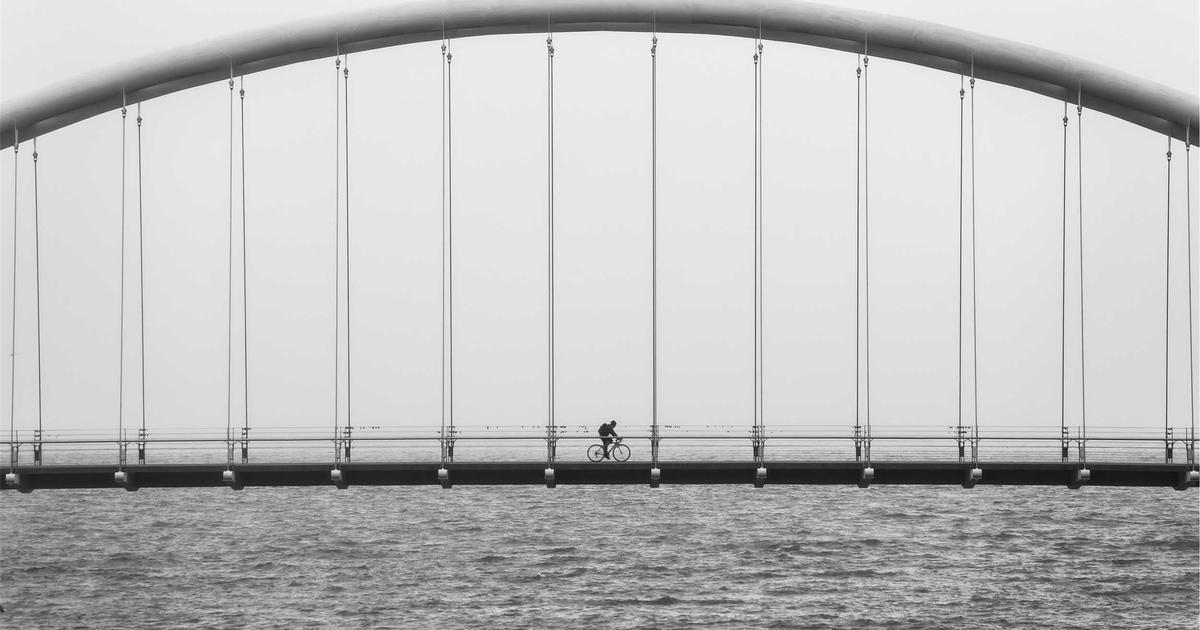
Today, July 09, 2026, we’re witnessing a profound shift in how people choose to experience the world. The era of cramming five cities into a week, snapping hurried selfies, and rushing from one landmark to the next is steadily giving way to a more thoughtful, deliberate approach: slow travel. It’s a philosophy that prioritizes immersion, connection, and understanding over speed and superficial checklists. As our lives become increasingly digitized and fast-paced, the desire to truly disconnect and engage with a destination on a deeper level has never been stronger.
The Unhurried Revolution: Slow Travel in 2026
In 2026, slow travel isn’t just a niche trend; it’s a burgeoning movement reshaping the global tourism landscape. Travelers are actively seeking experiences that allow them to linger, absorb, and truly live like locals, even if just for a short while. This isn’t about laziness or avoiding popular sites; it’s about choosing quality over quantity, depth over breadth. Instead of a whirlwind tour of Europe, you might spend two weeks exploring the hidden villages of Sicily, learning to cook regional dishes, and practicing rudimentary Italian with shopkeepers. It’s a conscious decision to slow down, to breathe, and to let the destination unfold organically.
This shift reflects a broader cultural craving for authenticity and mindfulness. After years of hyper-connectedness and the relentless pace of modern life, people are recognizing the value of unhurried exploration. They’re realizing that the most memorable moments often aren’t found on a pre-packaged itinerary, but in spontaneous interactions, quiet contemplation, and the simple act of being present.
From Fast Food to Slow Travel: A Brief History
While the term “slow travel” might feel contemporary, its roots stretch back further than you’d think. The concept gained traction in the late 20th century, emerging from the broader “Slow Movement” which began with the Slow Food movement in Italy in the 1980s. This movement, a protest against the rise of fast food and the homogenization of culture, championed local traditions, sustainable practices, and the enjoyment of life’s simple pleasures.
By the early 2000s, this ethos began permeating other areas, including travel. Travelers grew weary of the increasingly commercialized and standardized package tours. They wanted to escape the feeling of being herded from one tourist trap to another. Early proponents of slow travel advocated for experiences that minimized environmental impact, supported local economies, and fostered genuine cultural exchange. The rise of independent travel blogs and alternative accommodation platforms like Airbnb (founded in 2008) further democratized travel, making it easier for individuals to customize longer, more localized stays without relying on traditional tour operators.
The global events of the early 2020s, particularly the pandemic-induced lockdowns and restrictions, acted as a significant catalyst. Many people, forced to stay home, re-evaluated their priorities. When travel resumed, there was a palpable desire for more meaningful, less rushed experiences, often closer to home initially, before expanding globally with a renewed appreciation for mindful exploration. This period cemented slow travel from a niche idea into a widely discussed and increasingly adopted approach.
Beyond the Postcard: What Slow Travel Truly Offers
What exactly does slow travel offer that traditional, fast-paced tourism often misses? It’s more than just spending longer in one place; it’s about a qualitative shift in how you engage.
- Deeper Cultural Immersion: When you linger, you have the opportunity to move beyond superficial interactions. You might frequent the same local café each morning, strike up conversations with shopkeepers, or attend community events. This allows for a more authentic understanding of the local culture, customs, and daily life. You’re not just observing; you’re participating.
- Authentic Local Connections: Slow travel fosters genuine human connections. Whether it’s learning a traditional craft from a local artisan, sharing a meal with a host family, or simply navigating a neighborhood with the help of a resident, these interactions are often the most memorable parts of a trip.
- Reduced Stress and Enhanced Well-being: The constant rush of conventional travel can be exhausting. Slow travel, by its very nature, encourages relaxation. There’s no pressure to see everything; instead, you have the freedom to follow your interests, rest when you need to, and simply enjoy the moment without feeling rushed. It’s a vacation that actually rejuvenates you.
- Sustainability and Ethical Tourism: By staying longer in one place, you often reduce your carbon footprint associated with frequent flights and transfers. Moreover, slow travelers tend to spend more money directly within local communities, supporting small businesses, artisans, and restaurants rather than international chains. This translates into a more positive economic impact for the destination.
- Unexpected Discoveries: When you allow for spontaneity, you open yourself up to serendipitous moments. A hidden alleyway café, an impromptu local festival, or a breathtaking view discovered off the beaten path – these are the treasures often missed by those sticking to rigid schedules.
As Dr. Elena Petrova, a leading sociologist specializing in leisure and tourism at the University of Amsterdam, recently noted,
“The modern traveler isn’t just seeking escapism; they’re seeking integration. Slow travel provides the framework for true engagement, allowing individuals to not just visit a place, but to temporarily belong to it. This psychological benefit of feeling connected is a powerful driver behind its increasing popularity.”
The Numbers Don’t Lie: Data Driving the Slow Movement
The anecdotal evidence for slow travel’s rise is strong, but the data further solidifies its position as a dominant trend in 2026. According to McKinsey & Company’s 2026 Travel Trends Report, immersive and experiential travel bookings have seen a 35% increase compared to pre-pandemic levels (2019 data), with a notable surge in average trip duration for international leisure travel, extending from 8.2 days in 2019 to 11.5 days in Q1 2026. This clearly indicates a preference for longer, more in-depth stays.
Furthermore, Skift’s 2026 Global Traveler Survey reveals that 68% of respondents expressed a willingness to spend more on unique local experiences rather than luxury accommodations or frequent flights. This aligns with the slow travel ethos of valuing experiences over amenities. The survey also highlighted that 45% of travelers aged 25-45 are actively seeking trips that allow them to learn a new skill, such as cooking, language, or a craft, a core component of many slow travel itineraries.
Platforms like Airbnb are also seeing this trend reflected in their data. Airbnb’s Internal Data on Long-Term Stays (28+ nights) for Q1 2026 showed a 28% year-over-year growth globally, with particularly strong interest in rural and secondary city destinations. This isn’t just for digital nomads; a significant portion are leisure travelers choosing extended vacations to truly embed themselves in a single location.
Even traditional tour operators are adapting. Companies like G Adventures and Intrepid Travel, traditionally known for small-group adventure tours, have expanded their “local living” and “immersion” offerings, focusing on single-country or single-region exploration for periods of one to three weeks. These packages prioritize staying in locally-owned guesthouses, using public transport, and engaging in community-based activities.
Embracing the Pace: How to Plan Your Slow Journey
Ready to trade your packed itinerary for a richer experience? Here’s how you can plan your own slow travel adventure:
- Choose Your Destination Wisely: Opt for a single region or a smaller country that offers diverse experiences within close proximity. Consider places like Puglia in Southern Italy, the Kansai region of Japan, or the Cotswolds in England. These areas allow for exploration without constant long-distance travel.
- Extend Your Stay: This is the cornerstone of slow travel. Aim for at least a week, but ideally two to three weeks, in one general area. This gives you time to unpack, settle in, and truly feel at home.
- Book Local Accommodation: Ditch the chain hotels. Look for boutique guesthouses, family-run B&Bs, or long-term Airbnb rentals. Staying in a residential neighborhood immediately immerses you in local life. Platforms like Booking.com and Airbnb offer filters for longer stays and unique properties.
- Embrace Public Transportation: Skip the rental car and use trains, local buses, or even bicycles. This isn’t just eco-friendly; it’s an incredible way to observe daily life, meet locals, and experience the landscape at a more human pace. A Eurail Pass, for example, allows for extensive, unhurried exploration across Europe.
- Focus on Experiences, Not Sightseeing: Instead of rushing to every museum, prioritize activities that connect you with the culture. Take a cooking class in Chiang Mai, volunteer at a local animal sanctuary in Costa Rica, attend a language school in Spain, or spend a day hiking a regional trail. Airbnb Experiences offers a wide array of local activities, from pottery workshops to market tours.
- Allocate “Unscheduled” Time: Don’t fill every minute. Leave entire days free for wandering, reading in a park, sitting at a café, or simply following your curiosity. Some of the best discoveries happen when you’re not looking for them.
-
Learn Basic Phrases: Even a few words in the local language can open doors and create warmer interactions. A simple “hello,” “please,” and “thank you” goes a long way. Duolingo and Babbel
Sources
- Google Trends — Trending topic data and search interest
- TrendBlix Editorial Research — Data analysis and industry reporting
About the Author: This article was researched and written by the TrendBlix Editorial Team. Our team delivers daily insights across technology, business, entertainment, and more, combining data-driven analysis with expert research. Learn more about us.
AI Disclosure: This article was created with the assistance of AI technology and reviewed by our editorial team for accuracy and quality. Data and statistics are sourced from publicly available reports and verified databases. For more details, see our Editorial Policy.
Disclaimer: The information provided in this article is for general informational and educational purposes only. It does not constitute professional advice of any kind. While we strive for accuracy, TrendBlix makes no warranties regarding the completeness or reliability of the information presented. Readers should independently verify information before making decisions based on this content. For our full disclaimer, please visit our Disclaimer page.