The 2026 Rise of Slow Travel – Depth Over Speed
- The 2026 Slow Travel Revolution: A Paradigm Shift October 1, 2026, finds us at a fascinating crossroads in how we exp...
- A 2026 study by Responsible Travel found that 65% of their customers cited "reducing environmental impact" as a prima...
- Here's how you can embrace slow travel on your next adventure: Choose a Region, Not a Continent: Instead of planning ...
📄 Table of Contents
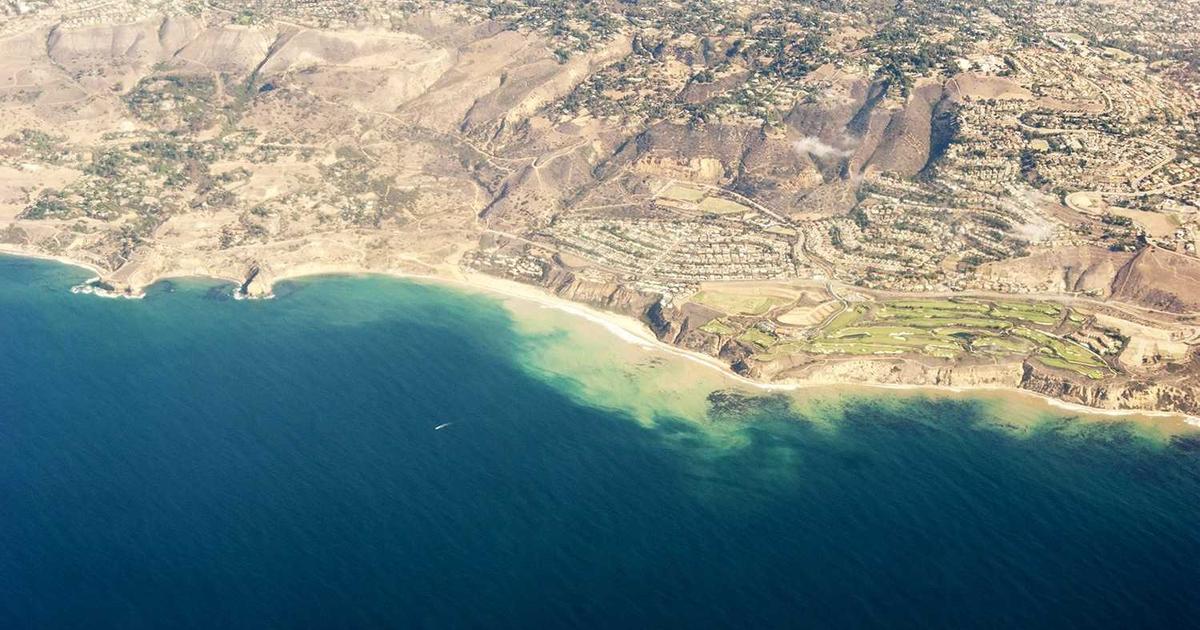
The 2026 Slow Travel Revolution: A Paradigm Shift
October 1, 2026, finds us at a fascinating crossroads in how we experience the world. The frenetic pace that once defined modern tourism—a whirlwind of hurried sightseeing, endless checklists, and the relentless pursuit of Instagrammable moments—is giving way to a more deliberate, meaningful approach. This is the undeniable ascent of slow travel, a movement where travelers are consciously choosing depth over speed, prioritizing genuine connection over fleeting glimpses. It’s not just a niche trend anymore; it’s a fundamental shift in how millions are planning their adventures this year and beyond.
For years, the travel industry pushed the narrative of efficiency: how many cities could you conquer in a week? How many countries could you tick off your bucket list? But as we navigate a world that sometimes feels perpetually in hyperdrive, the allure of slowing down has become incredibly powerful. People aren’t just looking for a vacation; they’re seeking transformation, understanding, and a return to the simple joy of discovery. This isn’t about doing less; it’s about experiencing more profoundly.
Beyond Postcards: What Defines Slow Travel?
So, what exactly does “slow travel” entail? It’s far more than just taking a leisurely pace. At its core, slow travel is about immersive, sustainable, and intentional engagement with a destination. Instead of bouncing between major tourist hubs every two days, a slow traveler might spend a week or two in a single town, a specific neighborhood, or a rural region. The focus shifts from seeing famous landmarks to living like a local, understanding the rhythm of daily life, and fostering genuine interactions.
This means opting for local guesthouses or apartment rentals over large chain hotels, frequenting farmers’ markets and independent eateries, and utilizing public transport or even walking to get around. It’s about learning a few phrases of the local language, taking a cooking class, volunteering for a day, or simply sitting in a piazza with a coffee, observing the world go by. It’s an antidote to the “fast food” version of tourism, favoring instead a carefully prepared, locally sourced meal. Imagine spending a full week exploring the hidden alleyways of Kyoto, savoring every bowl of ramen, attending a traditional tea ceremony, and discovering artisan workshops, rather than rushing through the city’s highlights in 48 hours before moving on to Osaka.
The concept isn’t new; philosophers and writers have long advocated for the virtues of unhurried exploration. But its widespread adoption in 2026 reflects a collective yearning for authenticity that modern life often dilutes. It’s about being present, truly present, in the moment and the place you’ve chosen to be.
Why the Shift? The Drivers of Depth Over Speed
Several powerful forces are converging to fuel the slow travel phenomenon.
Post-Pandemic Reflection: The global pause between 2020 and 2022 forced many to re-evaluate their priorities. The relentless pursuit of material gains and frantic travel schedules lost some of their luster. People emerged from lockdowns with a renewed appreciation for health, well-being, and meaningful experiences. Travel became less about escapism and more about personal growth and genuine connection. According to a McKinsey & Company report published in early 2026, “78% of global travelers surveyed indicated a stronger desire for ‘purposeful and enriching’ trips compared to pre-2020, with a notable shift away from purely leisure-driven, rapid itineraries.”
Sustainability Concerns: The climate crisis is no longer an abstract concept. Travelers are increasingly aware of their environmental footprint. Slow travel inherently promotes more sustainable practices: longer stays reduce the frequency of carbon-intensive flights, reliance on local transport lowers emissions, and supporting local businesses minimizes the impact of global supply chains. A 2026 study by Responsible Travel found that 65% of their customers cited “reducing environmental impact” as a primary reason for choosing longer, more localized trips.
Digital Detox and Mindfulness: In an always-on world, the desire to disconnect and be truly present is a powerful motivator. Slow travel offers the perfect antidote to digital overload. It encourages putting down the phone, observing, listening, and engaging directly with the environment and people around you. This isn’t just about disconnecting from Wi-Fi; it’s about reconnecting with oneself and the world. “People are realizing that constantly documenting every moment prevents them from actually experiencing it,” explains Dr. Anya Sharma, a travel psychologist and author of ‘The Mindful Wanderer,’ in an interview with TrendBlix Lifestyle Desk. “Slow travel creates the space for genuine reflection and sensory engagement, which are crucial for mental well-being and a deeper sense of fulfillment from a journey.”
Value for Money: While fast-paced trips often involve higher daily expenses on transportation and accommodation changes, longer stays can often be more economical. Renting an apartment for a week or a month can be significantly cheaper per night than hotel hopping. Plus, eating at local markets and cooking some meals rather than dining out for every single one adds up to considerable savings, allowing travelers to stretch their budget further and stay longer.
Real-World Impact: Statistics and Economic Shifts
The impact of slow travel is palpable across the industry. Major players are adapting, and local economies are seeing a resurgence.
- Booking Trends: According to Expedia Group’s 2026 Travel Trends Report, bookings for stays exceeding seven nights have increased by 22% year-over-year globally, with specific surges in regions known for cultural immersion like Southeast Asia (up 28%) and rural Europe (up 35%). Platforms like Airbnb have also reported a sustained increase in long-term stays (28+ days), which saw a 15% growth in Q1 2026 compared to the previous year, indicating a desire to truly settle into a location.
- Economic Redistribution: Traditional mass tourism often concentrates economic benefits in a few major corporations. Slow travel, however, inherently supports local economies. Travelers spending more time in one place are more likely to frequent local shops, artisans, family-run restaurants, and smaller tour operators. The World Tourism Organization (UNWTO) 2026 Economic Outlook highlighted that communities heavily reliant on cultural tourism and agritourism, particularly in regions like Tuscany, Italy, and the Loire Valley, France, reported a 10% average increase in local spending per visitor in 2025 compared to 2019 levels, directly attributable to longer average visitor stays.
- New Offerings: Travel companies are responding to this demand. Initiatives like “train-first” travel packages, such as those offered by Byway Travel (a UK-based company expanding into the US in 2025), which focus on scenic journeys and connecting multiple destinations via rail, are gaining traction. These packages often include accommodations in smaller towns and curated local experiences, reinforcing the slow travel ethos. Similarly, companies like Intrepid Travel have expanded their “local living” tours, which involve multi-day stays in a single community, learning traditional crafts or cooking techniques, directly responding to the depth-over-speed preference.
The shift is also evident in how destinations market themselves. There’s a growing emphasis on unique regional experiences, cultural heritage, and natural landscapes that invite contemplation rather than quick photo ops. Countries like Portugal and New Zealand, for instance, have actively promoted campaigns around “conscious travel” and “regenerative tourism,” aligning perfectly with slow travel principles.
Practicalities: Embracing a Slower Pace on Your Next Trip
Ready to trade the whirlwind for wonder? Here’s how you can embrace slow travel on your next adventure:
- Choose a Region, Not a Continent: Instead of planning to visit five European capitals in ten days, pick one country or even a single region within it. Spend a week exploring Andalusia in Spain, or focus solely on the Scottish Highlands. This allows for deeper exploration without the constant stress of packing and unpacking.
- Stay Longer in Fewer Places: Aim for a minimum of 4-5 nights in each location, ideally longer. This gives you time to settle in, explore beyond the main attractions, and truly feel the pulse of the place. Consider a week-long stay in a charming village like Eze in the French Riviera instead of just a day trip from Nice.
-
Embrace Local Transport: Ditch the short-haul flights between cities. Opt for trains, buses, or even cycling. The journey itself becomes part of the experience, offering scenic views and opportunities to interact with locals. Europe’s extensive rail network, for example, is perfect for this, allowing you to travel from Rome to Florence in just over
Sources
- Google Trends — Trending topic data and search interest
- TrendBlix Editorial Research — Data analysis and industry reporting
About the Author: This article was researched and written by the TrendBlix Editorial Team. Our team delivers daily insights across technology, business, entertainment, and more, combining data-driven analysis with expert research. Learn more about us.
AI Disclosure: This article was created with the assistance of AI technology and reviewed by our editorial team for accuracy and quality. Data and statistics are sourced from publicly available reports and verified databases. For more details, see our Editorial Policy.
Disclaimer: The information provided in this article is for general informational and educational purposes only. It does not constitute professional advice of any kind. While we strive for accuracy, TrendBlix makes no warranties regarding the completeness or reliability of the information presented. Readers should independently verify information before making decisions based on this content. For our full disclaimer, please visit our Disclaimer page.